The moment I left the noise of Denpasar behind and climbed into the green hills of Tabanan Bali, I could feel my shoulders drop. Walking with a local guide from Eco Wana Lestari felt less like joining a tour and more like being invited into someone’s backyard — a living classroom where salak, durian, coffee and a thousand other plants grew in joyful, deliberate rows. The air smelled of damp earth and freshly picked fruit; my guide pointed out how farmers interplant coffee with shade trees and how the salak vines are gently trained so the fruit ripens evenly. This is sustainable tourism Bali you can taste and touch, not just read about online.
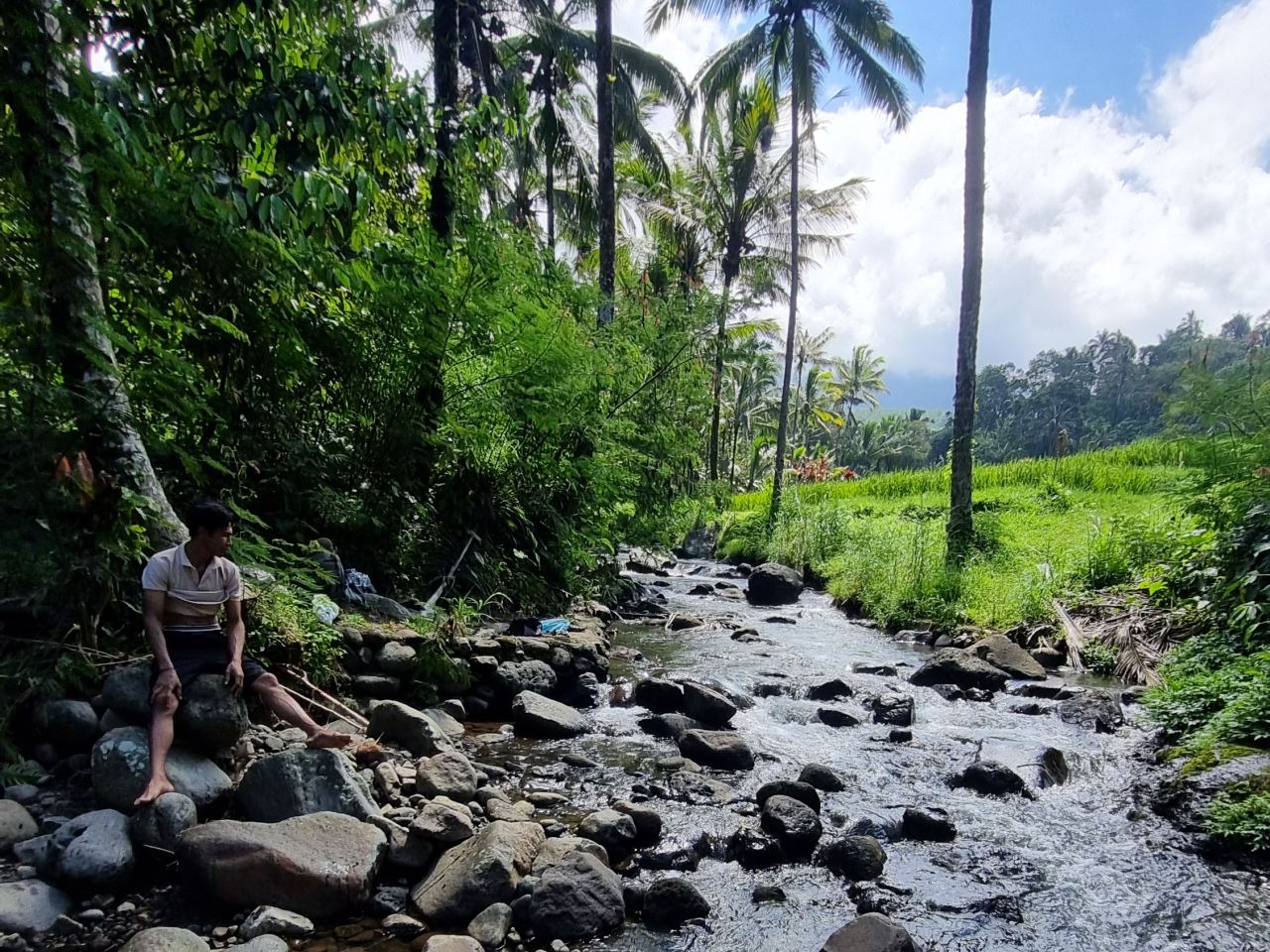
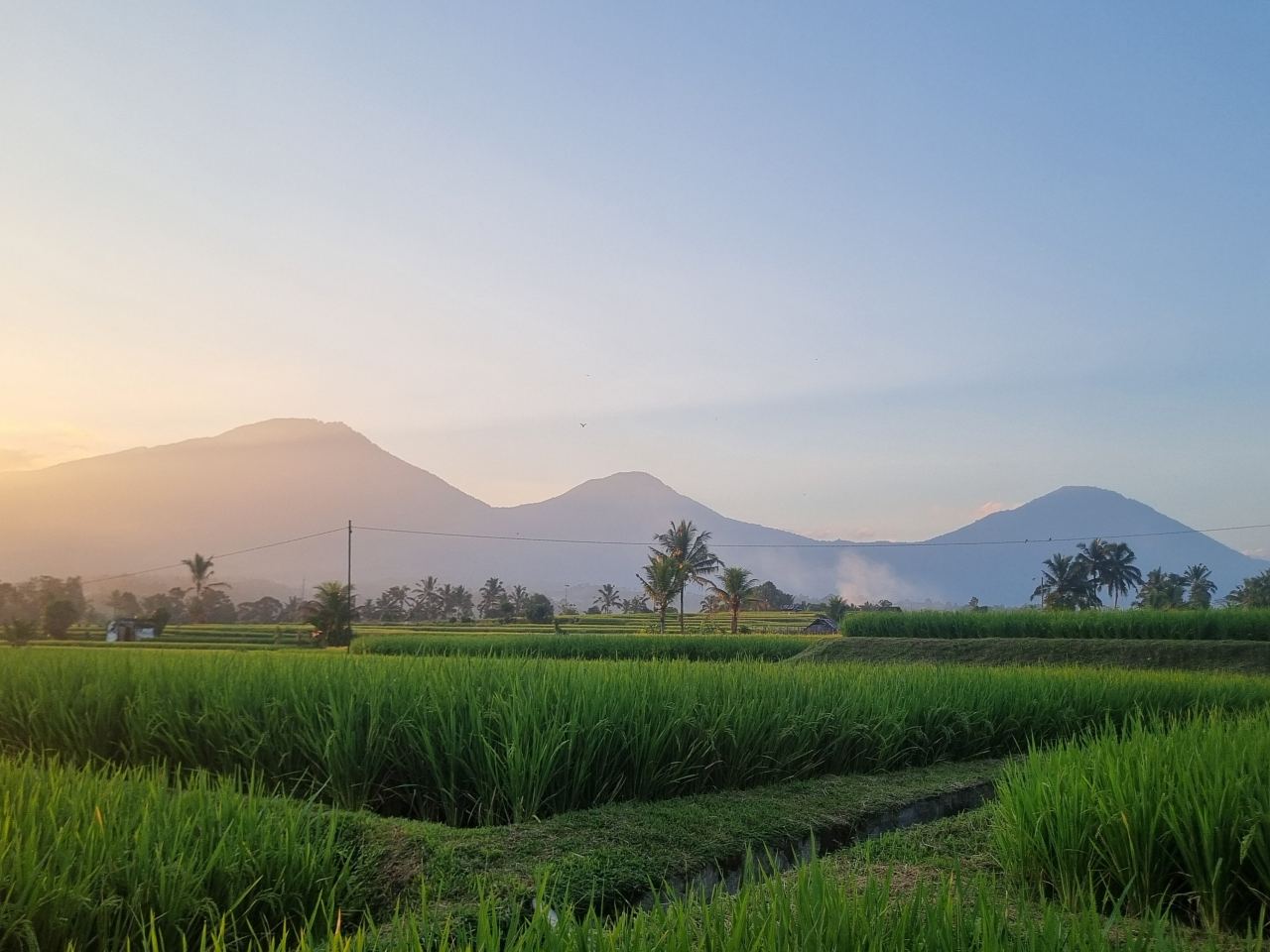
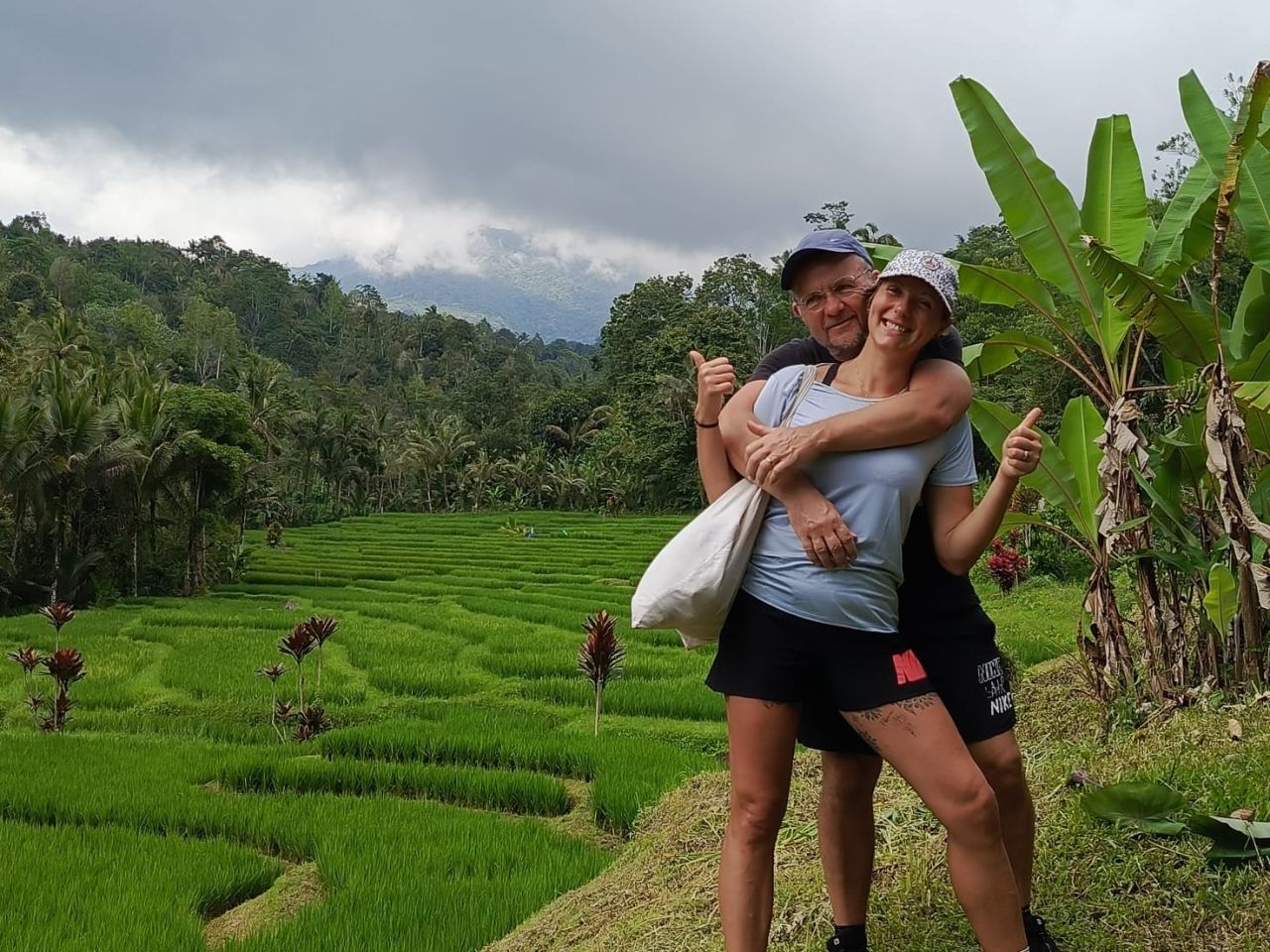
We started along narrow paths between plots, stepping carefully across the pematang sawah — the thin ridges that separate the rice terraces. There’s a special calm that comes when you stand on a rice bund and watch water and green rice shoots move with the breeze. In Tabanan the rice terraces open like patchwork quilts, and even if you’re not at Jatiluwih, the feeling is the same: cool, expansive, and very grounding. Our guide explained the planting cycles, the local varieties of rice, and how community irrigation still follows age-old patterns. It made me appreciate how connected food, water and everyday life are here.
The plantation walk felt like slow travel at its best. At a salak plantation I learned how to test for ripeness by the sound and the texture of the skin; at the durian spot there was that unmistakable, sweet musk wafting through the trees — a flavor you either love or learn to love. We stopped at a small coffee plantation where beans were drying on raised beds. The simple ritual of roasting and grinding coffee with the farmers became a mini-ceremony: a cup of Bali coffee offered with pride. If you’re searching for a coffee plantation Bali experience that’s real and small-scale, this is it.
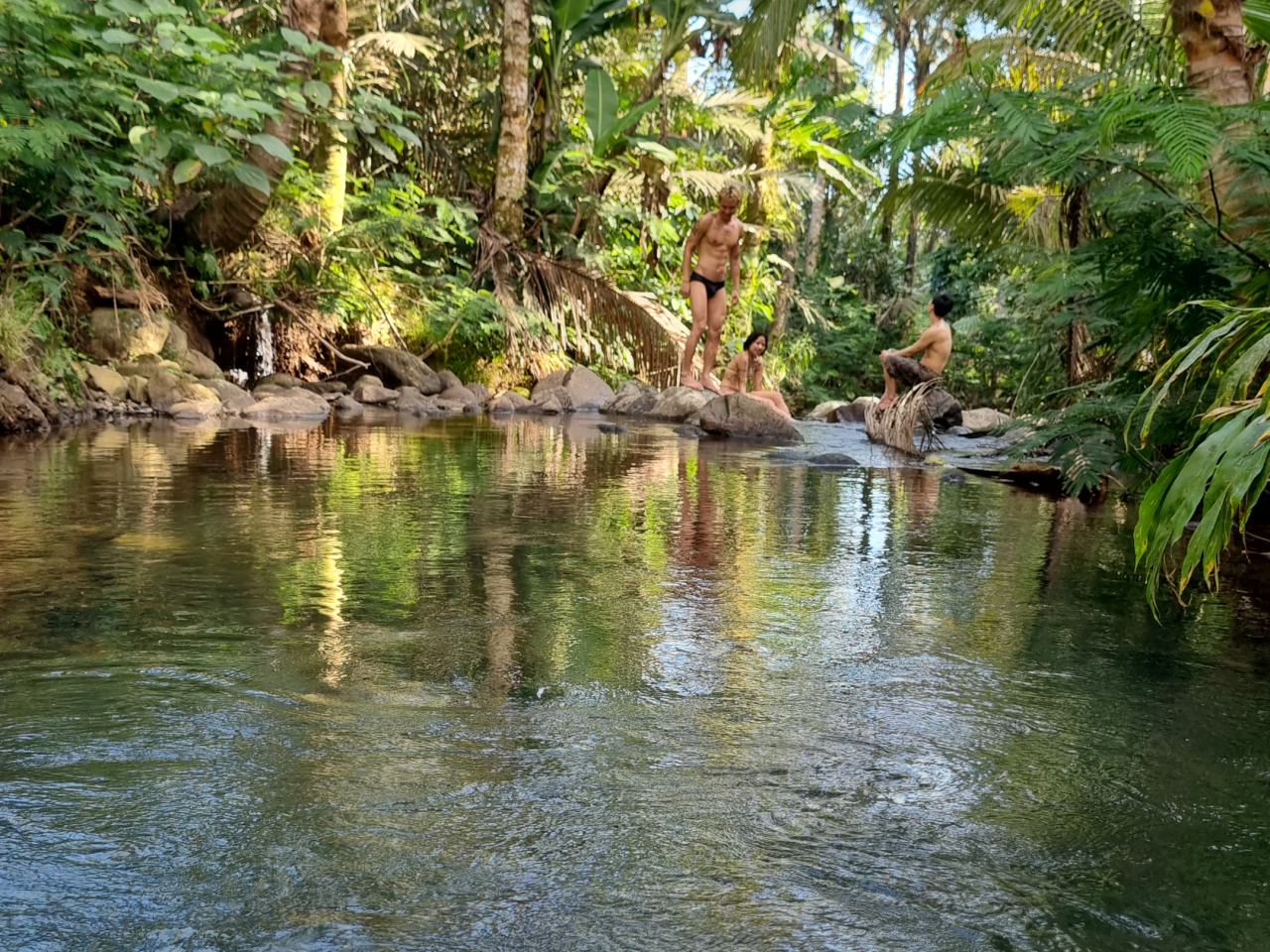
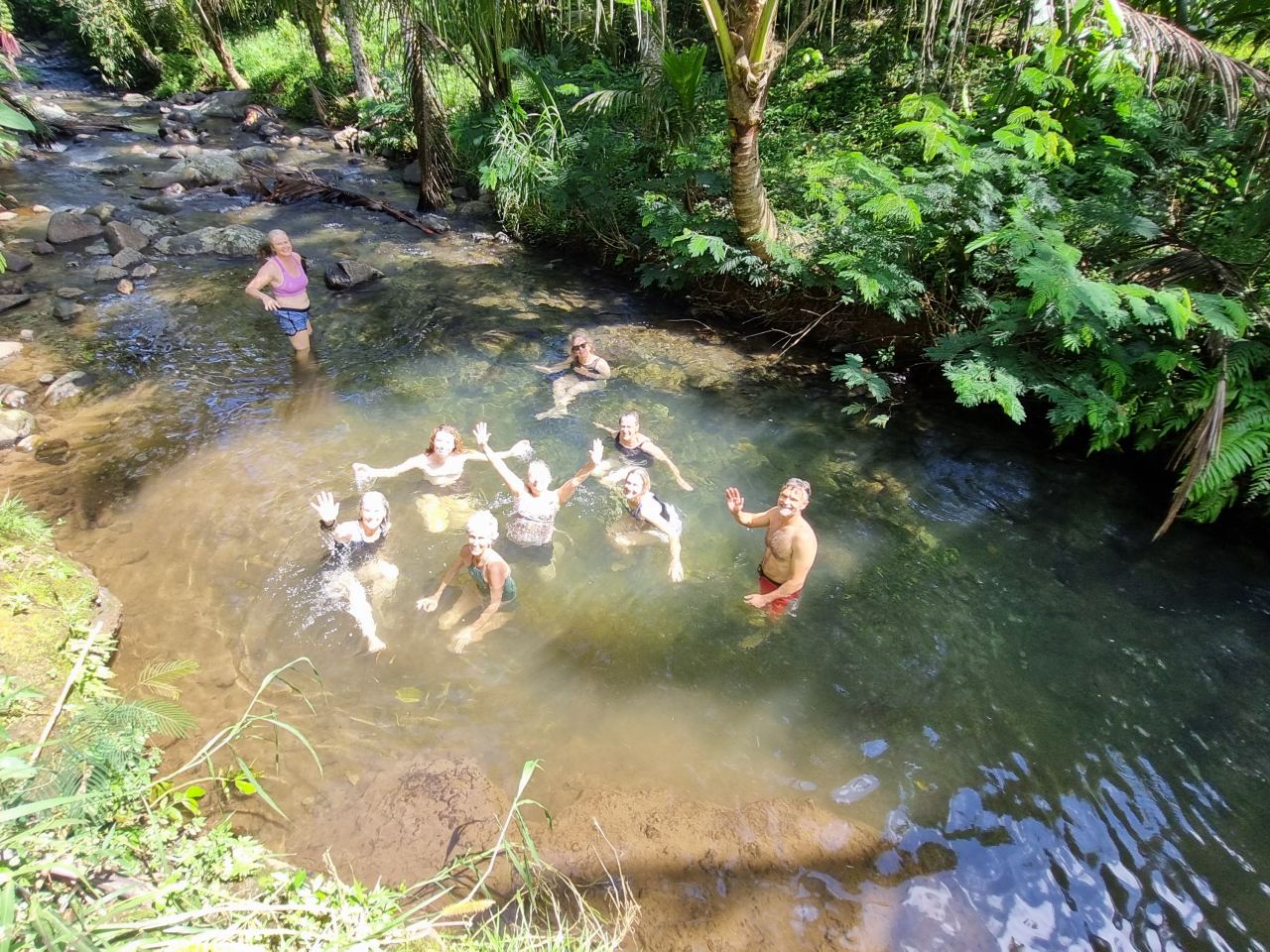
After an hour of wandering through orchards and terraces, we descended to a clear mountain stream — one of those Bali river swim spots that feels untouched. The water was so transparent I could watch small fish and smooth pebbles glide underfoot. We swam in a shallow pool far from any road, the kind of place where the only soundtrack is water and leaves. Eco Wana Lestari’s local guide made sure the route was safe and respectful of the land; swimming here is calm, restorative, and very far from polluted beaches or crowded attractions.
This kind of eco tour Tabanan-style is about more than sights. It’s a permission slip to breathe again, to step away from deadlines and traffic and remember you’re allowed to enjoy life, even if only for a day. The guides are farmers’ neighbors, storytellers who know which fruit is sweetest at noon and which rice field glows at dusk. They welcome visitors as partners in sustainable tourism Bali, showing how a walk and a swim can benefit local families and conserve the landscape.
If you go, bring sturdy shoes that can get muddy, a light change of clothes for the river, insect repellent, and a small amount of cash for coffee and fruit. Morning visits are coolest and best for bird song; afternoons are golden on the rice terraces. Book with a local guide like Eco Wana Lestari to keep your experience authentic and to ensure your arrival supports the community. You’ll return cleaner in your lungs and richer in simple memories — a handful of rice stalks, a taste of durian at dusk, and the knowledge that for a few hours you chose presence over busyness. You deserve that.