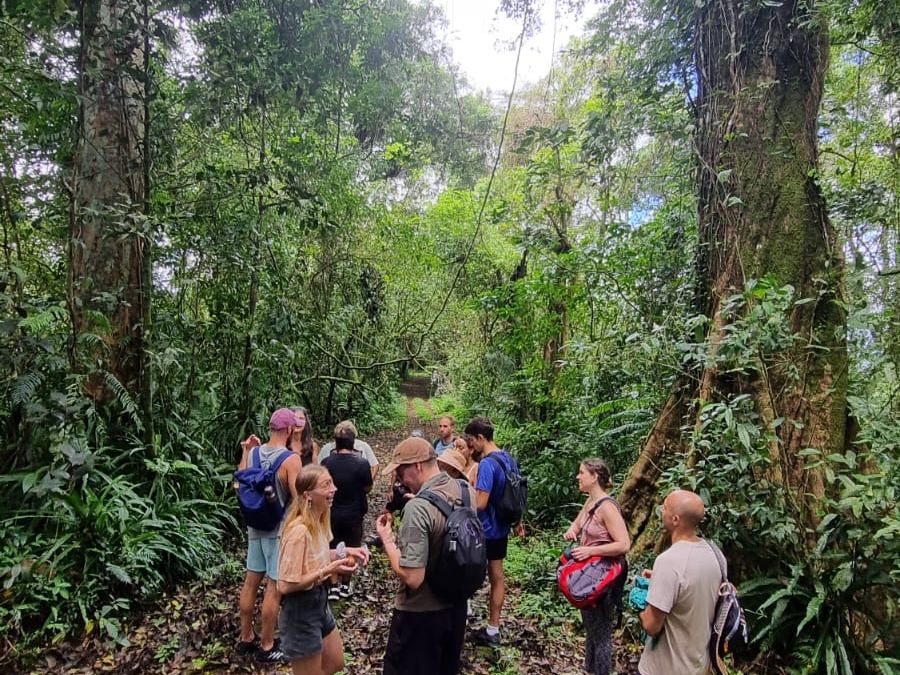
That morning a thin mist hung between the trees when I met my guide from Eco Wana Lestari at the village hall in Desa Wanagiri. The meeting point was humble—a small warung pouring hot coffee and a folded paper map stamped with the community logo. From there we stepped onto a trail leading into the Wanagiri rainforest; this was not just a hike but a community-led nature experience.
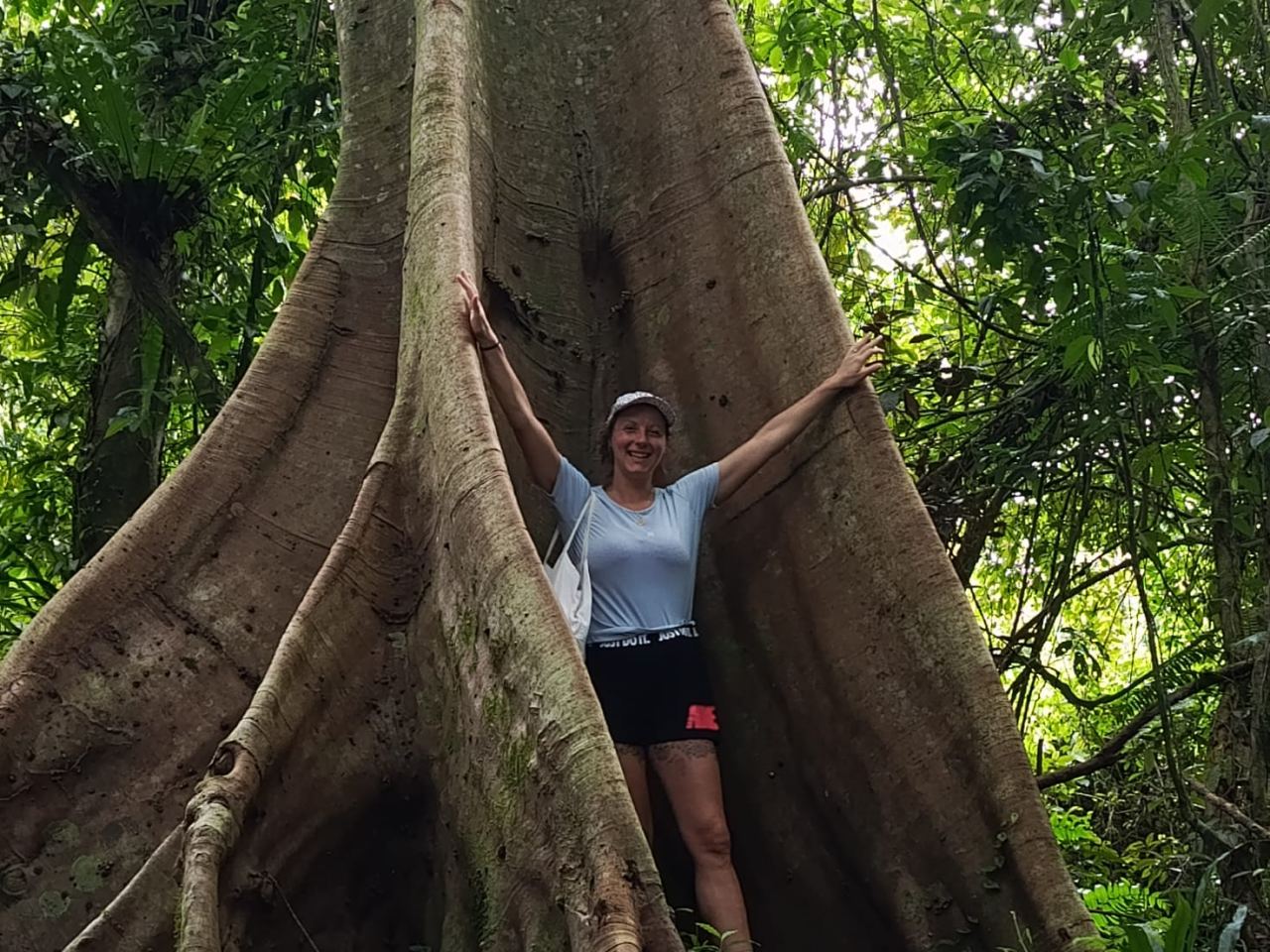
The first steps took me past large ferns and winding roots that felt like nature’s veins. Our guide pointed out moss-covered trunks and explained how these old trees capture and store water for the villages below. The air stayed cool—typically 16–22°C—and the scent of wet earth mixed with moss calmed our breathing. Keywords like “Wanagiri rainforest” and “Eco Wana Lestari” are more than SEO terms here; they reflect active conservation visible in trail markers and water catchment projects.
A typical walk lasts 2–3 hours and is easy to moderate. The trail changes constantly: short climbs, gentle bamboo bridges that sway, and grassy clearings perfect for a break. Group size is intentionally small—usually 6–10 people per guide—to minimize ecological impact. Midway we reached a clearing with a small freshwater pool and a view over the valley; the guide explained how villagers plant native species as part of a reforestation program.
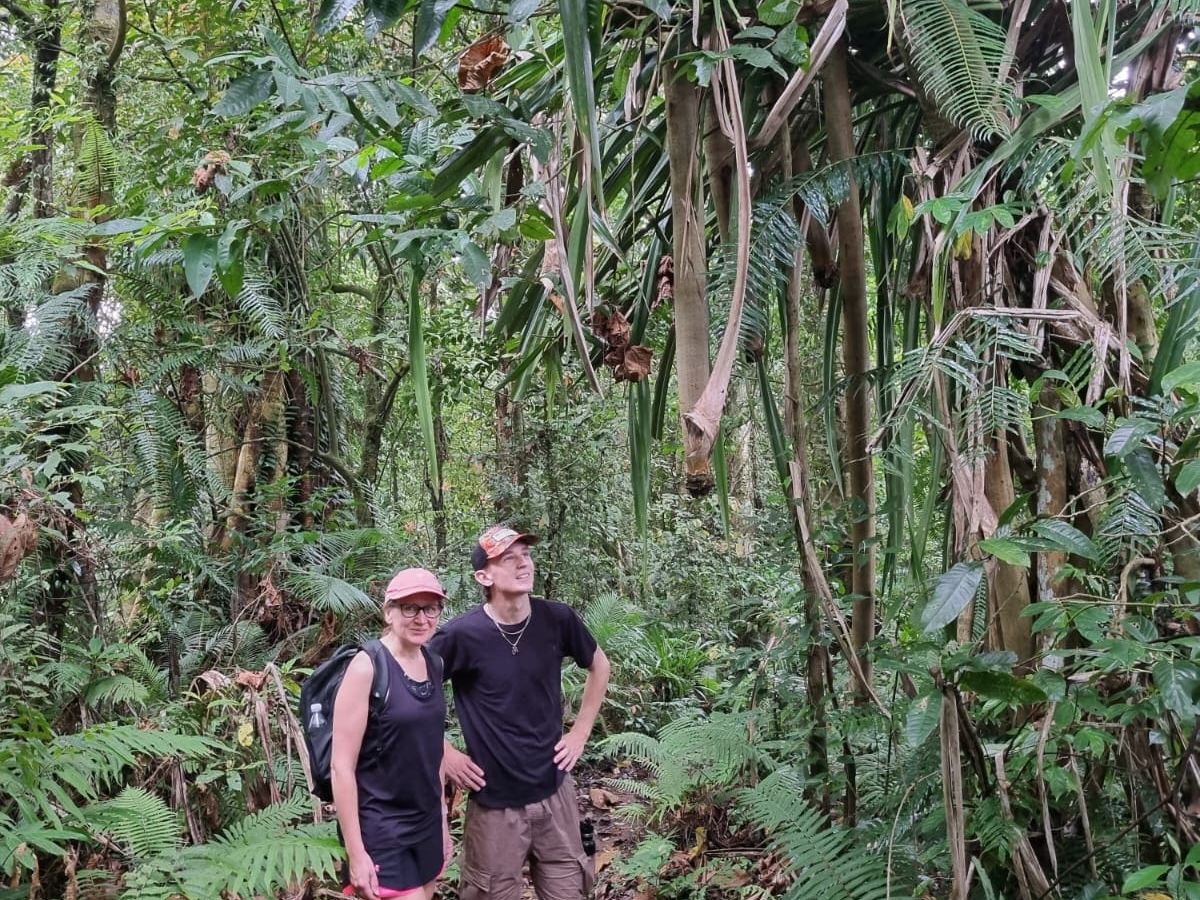
Wildlife is often heard before seen. During our walk we listened to sunbirds, woodpecker taps, and long-tailed macaques calling from the canopy. The guide also showed us medicinal plants still used by locals: leaves for compresses, bark for warming tonics, and seasonal fungi that must be harvested carefully. The rule here is simple: take only photos, leave only footprints.
Practical tips: wear grippy hiking shoes, pack a lightweight rain jacket, bring at least 1 liter of water, and carry insect repellent. Mobile signal can be weak inside the forest, so bring a camera and be present in the moment. Bookings are possible through Eco Wana Lestari or BaliTrip.id; the fee usually covers the guide, a donation to reforestation efforts, and a simple snack from a local homestay.
What stays with you after the walk is the sense of community. Eco Wana Lestari is run by villagers who have turned natural resources into sustainable livelihoods: protecting the forest, guiding visitors, and reinvesting income into local schools. Before departing we visited a small coffee plot—sipping a cup of locally harvested coffee closed the morning with warmth and an authentic story.
If you want an alternative Bali experience beyond beaches and temples, explore the Wanagiri rainforest with Eco Wana Lestari. Bring curiosity, comfortable shoes, and respect for nature—everything else will be guided by people who know every step of these trails.