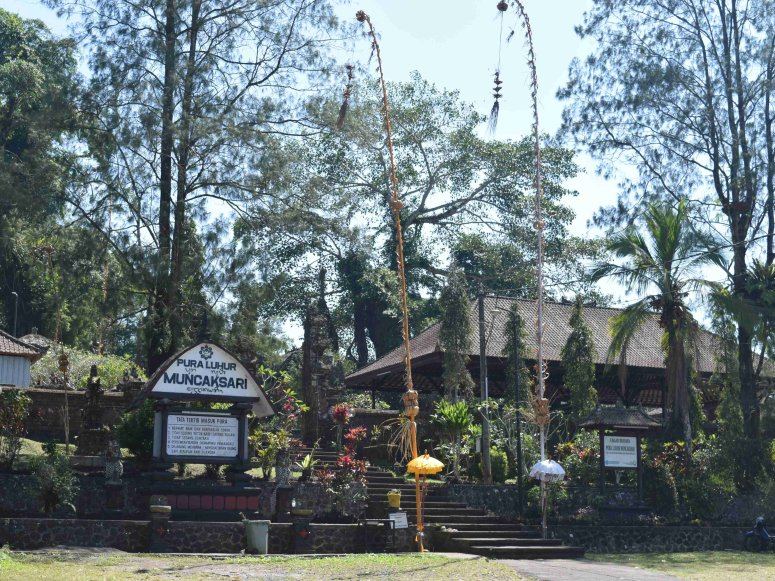
On my first visit to a pura in Ubud I remember fumbling with a borrowed kain and selendang, feeling both awkward and oddly honored as a young Balinese woman gently showed me how to tie the sash. That small, human moment is the heart of Balinese temple etiquette: visitors are welcome, but the pura is a living place of worship, and respecting the dress code and local customs matters more than looks or convenience. When you search for "temple dress code Bali" or "what to wear to Bali temple," the two essentials you’ll hear over and over are a sarong (kain/kamen) wrapped around the waist and a sash (selendang) tied over it. Many temples like Tanah Lot, Besakih, and Uluwatu provide sarongs and sashes at the entrance for a small donation—accept them with gratitude and tie the sash securely at your waist; it signals reverence and keeps knees covered when climbing steps or entering shrines. The sash should rest above the hips; if it rides too low, adjust it so you don’t accidentally expose your knees when sitting or bowing.
Beyond clothing, understand where you can and cannot go. Balinese temples have layered spaces: outer courtyards are generally open to visitors, but the inner sanctum—often called the jero or inner courtyard—is sacred and typically reserved for Hindus, especially during ceremonies. If you’re unsure whether an area is off-limits, watch the locals or ask politely. During major ceremonies at Besakih or temple anniversaries, access will be stricter. It’s also traditional for women who are menstruating to avoid entering the inner sanctum; this remains culturally sensitive, so follow local guidance or ask if unclear.
Small actions show great respect. Never step over or on offerings (canang sari) placed on the ground; they are daily gifts to the spirits and you’ll find them in doorways, on sidewalks, and even on motorcycles. If an offering sits where you must walk, step around it. Keep your feet pointed away from shrines and people—feet are considered the lowest part of the body in Bali, so avoid pointing them at a statue, priest, or another person. Remove hats and sunglasses when you enter temple courtyards, and speak softly; temples are not photo studios. If you want to take pictures during a ceremony, always ask permission. Some rituals are private or sacred and photography may be forbidden.
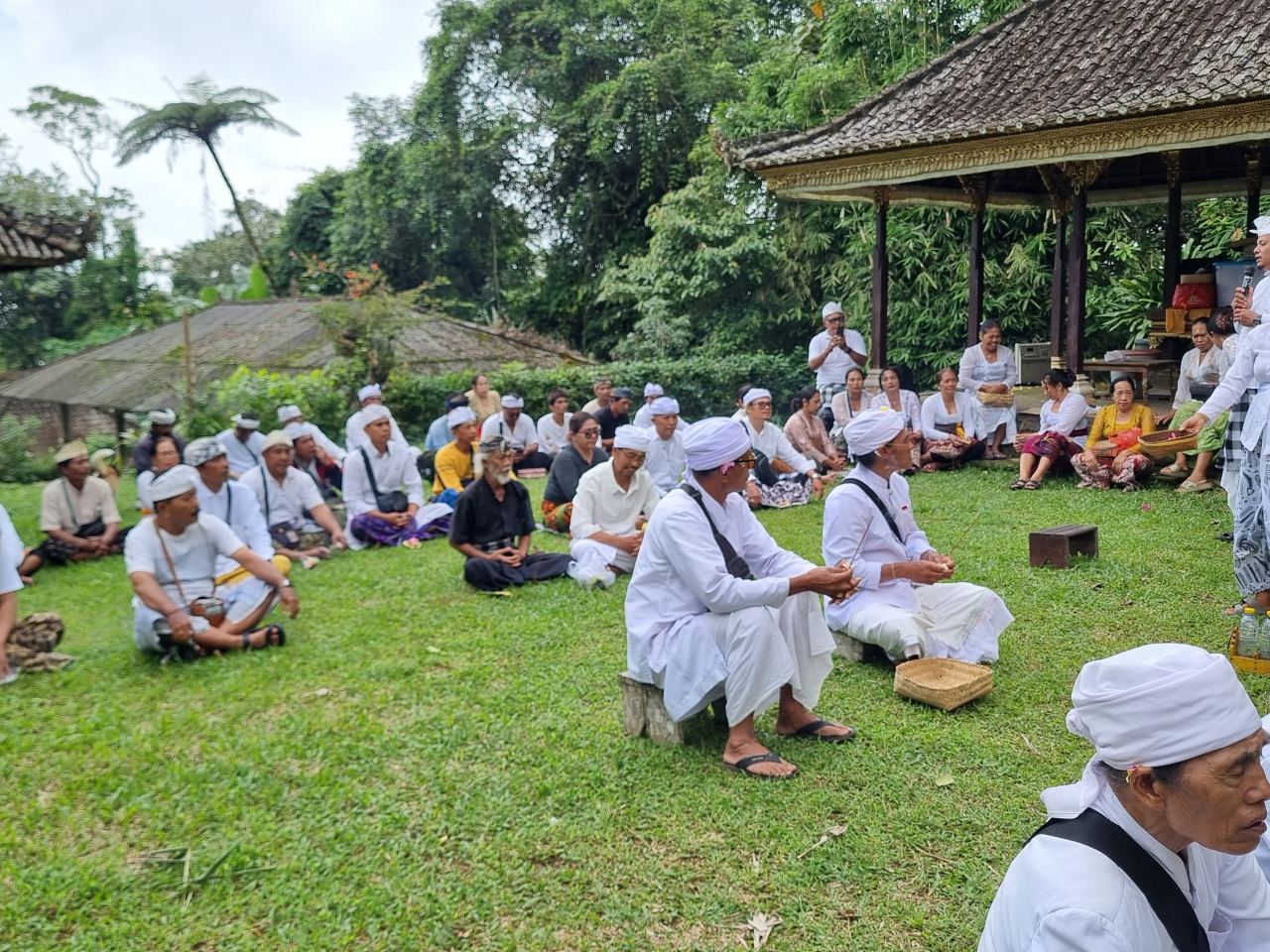
There are practical dos and don’ts that make visits smoother: leave alcohol and open containers outside the compound, don’t smoke near altars, and avoid loud music or displays of affection. If you’re offered a spot during a ceremony, stand respectfully—follow the lead of locals for when to sit, bow, or remain standing. Men sometimes wear a kamben and saput (additional cloth), while priests and worshippers might have special headgear; if you’re invited to participate, a local will guide you through the proper way to dress and act.
Finally, bring patience and humility. If a temple attendant adjusts your sarong or corrects your posture, accept the guidance with a smile—this is part of cultural exchange. Leaving a small donation, dressing modestly, and observing quiet reverence go a long way toward honoring Balinese spirituality. Visiting a pura is more than sightseeing; it’s an intimate glimpse of daily devotion. Dress the part, follow the rules, and you’ll come away with deeper respect—and likely a warm story of someone showing you how to tie a selendang the Balinese way.